
Top Products For Sewer Line Leak Repairs To Fix Issues Quickly
Explore our expert picks of reliable sewer leak repair products designed to restore your plumbing efficiently and effectively.
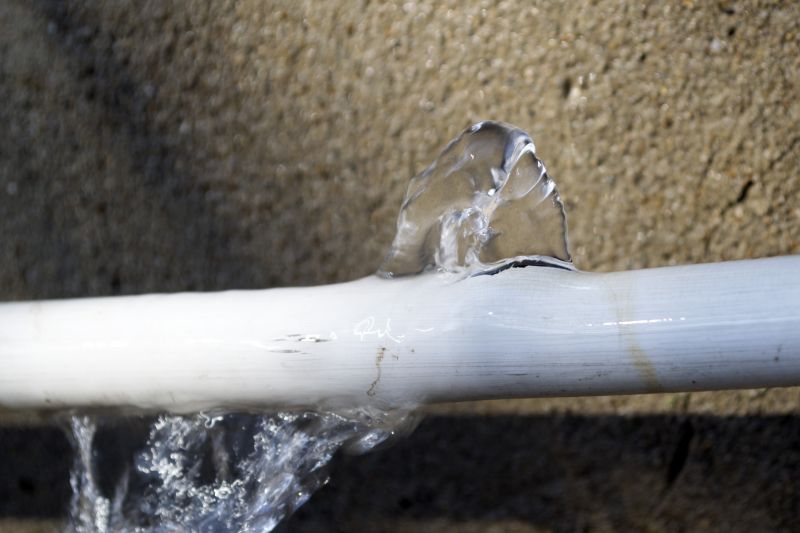 Sewer line leak repairs are essential for maintaining the integrity and functionality of a home's plumbing system. When leaks occur, they can lead to unsanitary conditions, property damage, and costly repairs if not addressed promptly. Fortunately, there is a variety of products designed to help homeowners and professionals manage and repair sewer line leaks effectively. These products range from temporary patching solutions to permanent sealing systems, each suited for different types of leaks and installation scenarios.
Top Overall Option
Flexible Pipe Repair Clamp
A flexible pipe repair clamp offers a versatile and effective solution for sealing leaks in sewer pipes. Designed to conform to various pipe diameters and shapes, it provides a secure, watertight seal that can be applied quickly without extensive pipe removal. Suitable for a range of pipe materials, these clamps are often used as a temporary or semi-permanent fix, making them a popular choice for homeowners and contractors alike.
Types of Products For Sewer Line Leak Repairs
Pipe Repair Epoxy
A chemical-based epoxy that can be applied directly to the leak site to create a durable seal, suitable for small cracks and holes.
Rubber Pipe Repair Sleeve
A flexible rubber sleeve that wraps around damaged pipe sections, providing an immediate seal for leaks.
Pipe Repair Clamps
Metal or plastic clamps that secure over the leak area to stop water flow and prevent further damage.
Pipe Lining Systems
A trenchless method involving lining the interior of the pipe with a resin-coated liner to restore integrity.
Expandable Pipe Seals
Seals that expand upon application to fill gaps and cracks in pipes for a tight fit.
Hydraulic Leak Sealing Devices
Tools that use hydraulic pressure to expand sealing elements inside the pipe for a secure fix.
Pipe Wrapping Tapes
Specialized tapes designed to adhere to pipe surfaces and provide a waterproof barrier over leaks.
Chemical Sealants
Liquid sealants that harden upon curing, filling small leaks and cracks effectively.
Flexible Repair Bands
Bands that can be wrapped around pipes to temporarily seal leaks and accommodate pipe movement.
Sealant Putty
A malleable putty that can be applied directly to leaks for quick sealing in tight spaces.
Pipe Flange Repair Kits
Complete kits including gaskets and bolts for sealing pipe flanges and joints.
Polyurethane Foam Sealants
Foam-based sealants that expand to fill voids and cracks in sewer pipes.
Rigid Pipe Repair Wraps
Durable wraps designed for long-term sealing of larger leaks or pipe sections.
Trenchless Pipe Repair Systems
Advanced systems that allow for pipe repairs without excavation, ideal for difficult-to-access leaks.
Leak Detection Cameras
Inspection tools that help locate leaks accurately before applying repair products.
Pipe Cleaning Tools
Devices used to prepare pipes by removing debris and buildup prior to sealing.
Popular Choices
Widely used for quick sealing of leaks, offering flexibility and ease of installation.
Commonly chosen for small cracks and holes, providing a durable chemical seal.
Popular for their secure fit and straightforward application over damaged pipe sections.
Favored for their ability to conform tightly to pipe surfaces and fill irregular gaps.
Often selected for their ease of use and ability to quickly seal minor leaks.
Chosen for their adaptability to different pipe sizes and leak locations.
Trusted for providing an immediate waterproof barrier on various pipe surfaces.
Popular among professionals for their reliable sealing performance in challenging conditions.
Gaining popularity for minimally invasive repairs in complex or hard-to-access sewer lines.
Essential tools for accurately locating leaks and assessing pipe condition before repair.
Commonly used to prepare pipes for repair by removing obstructions and buildup.
Used for filling larger voids and cracks, especially in older or damaged pipes.
Preferred for long-term sealing of larger leaks or sections of pipe.
Popular for quick, temporary fixes in tight or hard-to-reach spaces.
Choosing the right repair product depends on several factors, including the severity and location of the leak, the material of the sewer pipe, and the long-term goals of the repair. Some solutions are designed for quick fixes to prevent further damage, while others provide a more durable, long-lasting seal. Proper installation and compatibility with existing piping materials are crucial to ensuring the effectiveness of any repair product.
In addition to repair-specific products, there are accessories and tools that facilitate the repair process, such as inspection cameras, pipe cleaning equipment, and specialized adhesives. These tools help identify the exact leak location and prepare the pipe for repair, increasing the likelihood of a successful fix. It is also important to consider ease of use, especially for DIY enthusiasts, as some products require professional installation for optimal results.
Overall, understanding the different types of repair products and their applications can help in selecting the most appropriate solution for sewer line leak issues. Regular inspection and timely intervention can prevent minor leaks from escalating into major problems, saving time and money in the long run. Whether opting for a temporary patch or a permanent seal, the right product choice is key to restoring the sewer system's integrity and ensuring a safe, functional plumbing network.
Key Buying Considerations
- Type of leak and its size or severity to determine suitable repair products.
- Material compatibility with existing sewer pipes, such as PVC, cast iron, or clay.
- Location of the leak within the sewer line, especially if access is limited.
- Durability and longevity expectations for the repair solution.
- Ease of application, especially for DIY repairs versus professional installation.
- Flexibility of the product to accommodate pipe movement or shifting.
- Temporary versus permanent repair needs based on the situation.
- Compatibility with existing pipe fittings and joints.
- Preparation requirements, including cleaning or surface roughening.
- Availability of tools or accessories needed for installation.
- Cost considerations and budget constraints.
- Environmental conditions, such as exposure to water pressure or soil movement.
- Regulatory compliance or approval for certain repair products.
- Reversibility or ease of removal if needed in future repairs.
- Customer reviews and product reputation for performance.