Drain Field Replacement in Denver, CO
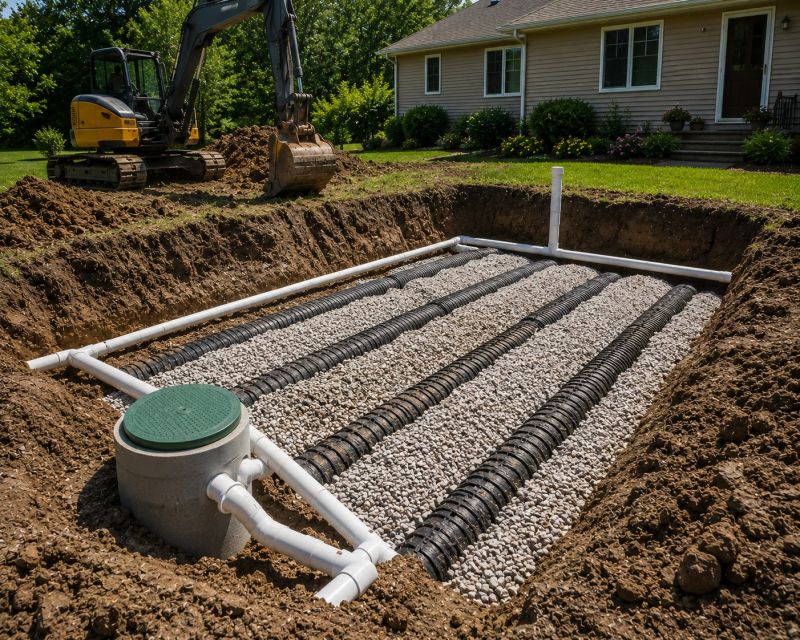
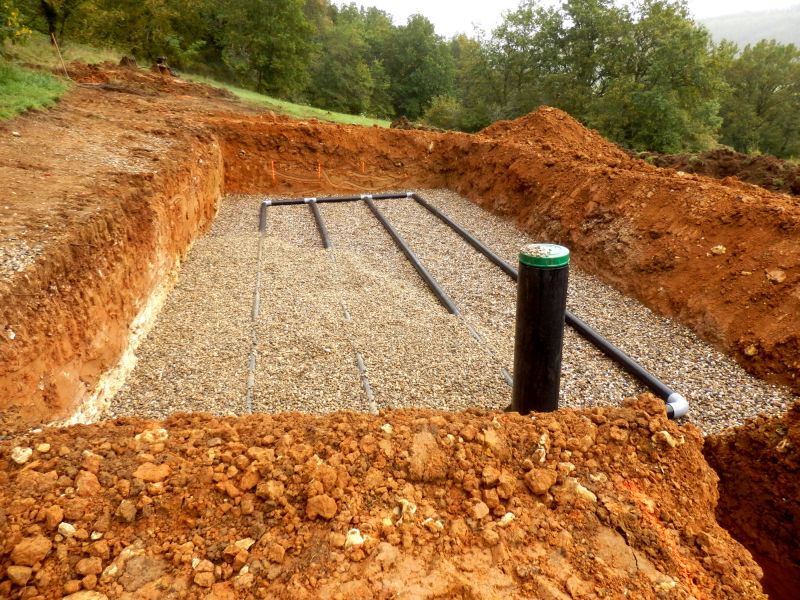
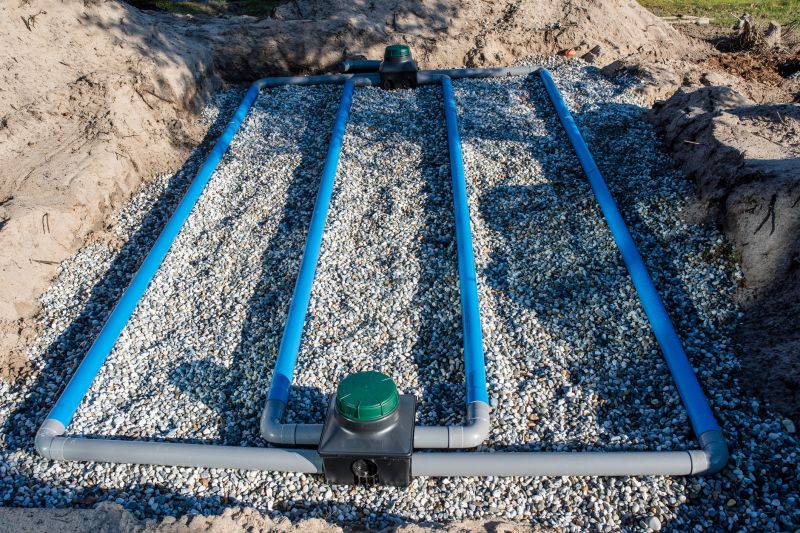
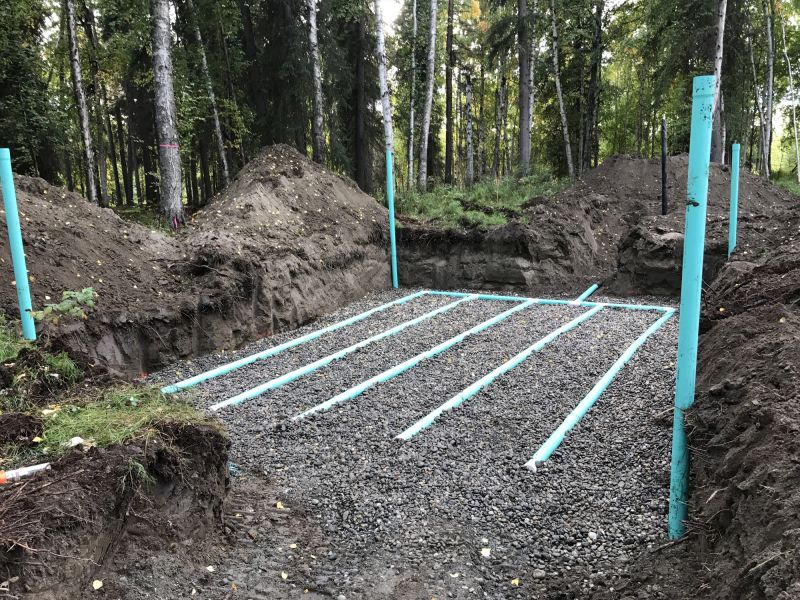
Drain field replacement services involve removing and installing new drain fields to ensure proper wastewater dispersal from a septic system. This process is typically necessary when the existing drain field has failed, become clogged, or is no longer functioning efficiently due to age, soil issues, or improper maintenance. Projects often include excavating the old drain field, preparing the site, and installing new drain pipes and gravel beds to promote healthy soil absorption. Property owners should understand the importance of proper site assessment, soil conditions, and system design to ensure the replacement meets the specific needs of their property.
Before requesting drain field replacement, homeowners usually want to know about the signs indicating a failing drain field, such as foul odors, pooling water, or slow drains. It’s also helpful to understand the scope of work involved, including excavation, removal of old materials, and installation of new components. Property owners should consider factors like local regulations, property size, and soil type to determine the best approach for their septic system. Proper planning and understanding of these elements can help ensure a successful replacement that supports the long-term health of the septic system.
Many property owners in Denver, CO look into Drain Field Replacement for repairs, replacements, upgrades, and appearance-related improvements.
Drain Field Replacement Services
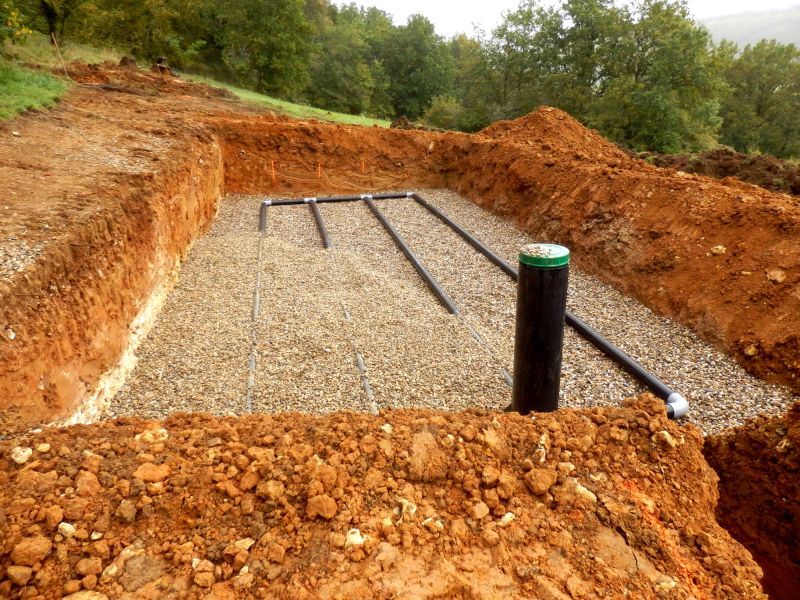
Examples of drain field replacement work property owners may explore in denver, co.
Drain Field Replacement Updates
Common ways people refresh, improve, or restore drain field replacement features in denver, co.
Drain Field Replacement Options
Different styles, layouts, and finishes people consider for drain field replacement in denver, co.
Drain Field Replacement in Denver, CO

Drain field replacement services involve removing and installing new drain fields to ensure proper wastewater dispersal from a septic system. This process is typically necessary when the existing drain field has failed, become clogged, or is no longer functioning efficiently due to age, soil issues, or improper maintenance. Projects often include excavating the old drain field, preparing the site, and installing new drain pipes and gravel beds to promote healthy soil absorption. Property owners should understand the importance of proper site assessment, soil conditions, and system design to ensure the replacement meets the specific needs of their property.
Before requesting drain field replacement, homeowners usually want to know about the signs indicating a failing drain field, such as foul odors, pooling water, or slow drains. It’s also helpful to understand the scope of work involved, including excavation, removal of old materials, and installation of new components. Property owners should consider factors like local regulations, property size, and soil type to determine the best approach for their septic system. Proper planning and understanding of these elements can help ensure a successful replacement that supports the long-term health of the septic system.
Many property owners in Denver, CO look into Drain Field Replacement for repairs, replacements, upgrades, and appearance-related improvements.
Common Drain Field Replacement Jobs
Drain Field Replacement services involve installing new drain fields to ensure proper wastewater dispersal.
Leach Field Replacement addresses failing drain lines to prevent sewage backups and property damage.
Septic Drain Field Replacement restores the functionality of septic systems for residential properties.
Percolation Bed Replacement improves soil absorption when existing drain fields no longer drain effectively.
Drain Field Repair and Replacement services help resolve issues caused by clogging, shifting, or damage to existing systems.
Drain Field Upgrade options enhance system capacity and efficiency for growing property needs.
Drain Field Replacement Questions
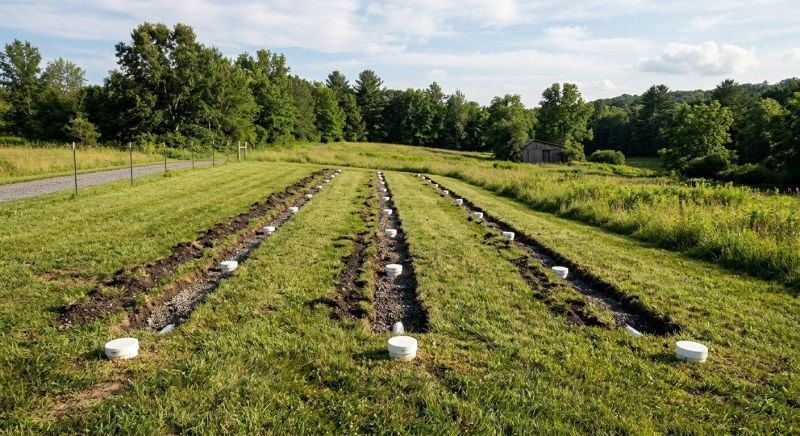
What is drain field replacement? It involves removing and installing a new drain field to ensure proper wastewater dispersal from a septic system.
When is drain field replacement needed? It is typically required when a drain field fails, shows signs of saturation, or no longer effectively filters wastewater.
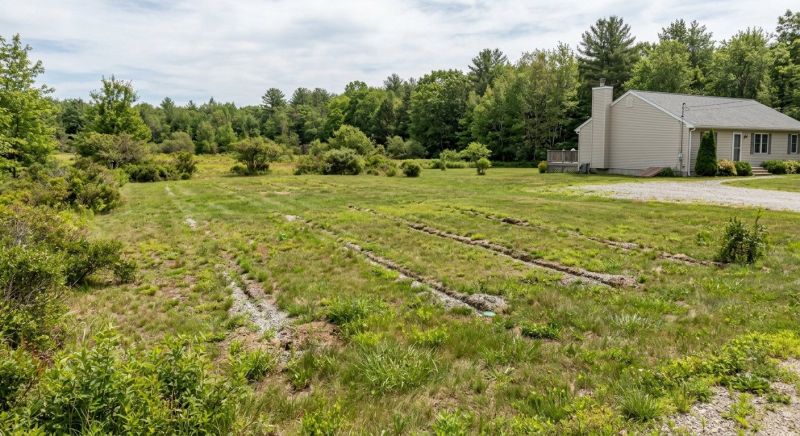
What signs indicate a drain field may need replacement? Common signs include persistent odors, pooling water, lush grass over the area, or slow drainage in plumbing fixtures.
What should property owners know about drain field replacement? Proper installation is essential for system longevity and environmental safety, and professional assessment can determine the best course of action.
Request Drain Field Replacement in Denver, CO
Use the quote form on this page to share the basics of your project and request more information for the type of work you need.