Leach Lines Installation in Denver, CO
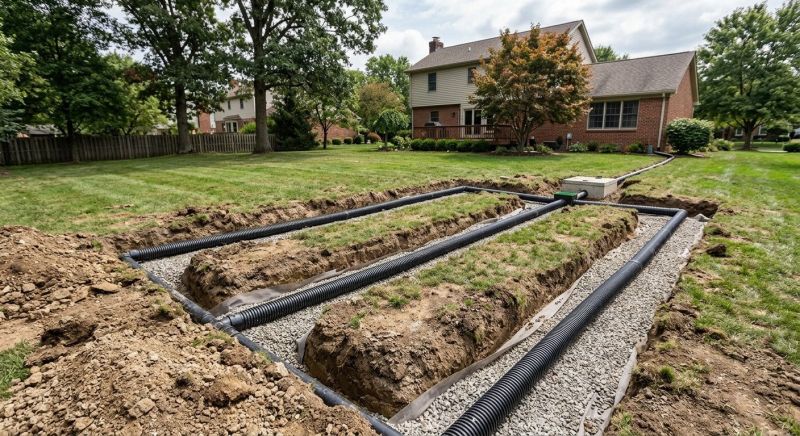
Leach line installation services involve setting up underground pipes that carry wastewater away from properties to the main sewer system or a septic tank. These systems are essential for homes that are not connected to municipal sewer lines or require an upgraded drainage solution. Projects typically include installing new leach lines for homes with septic systems, replacing aging or damaged lines, or expanding existing systems to accommodate property improvements. Property owners should understand the scope of installation, the materials used, and the importance of proper placement to ensure effective waste management and prevent potential issues such as backups or leaks.
Before requesting leach line installation, property owners often want to know about site conditions, including soil type and space availability, which can influence the design and placement of the system. It's also helpful to consider future property plans, such as additions or landscaping, to ensure the system can accommodate those changes. Understanding local regulations and permitting requirements can streamline the process, and consulting with professionals can help clarify the best options for the property's specific needs.
Many property owners in Denver, CO look into Leach Lines Installation for repairs, replacements, upgrades, and appearance-related improvements.
Leach Line Replacement
Upgrading aging or damaged leach lines to ensure proper wastewater management.
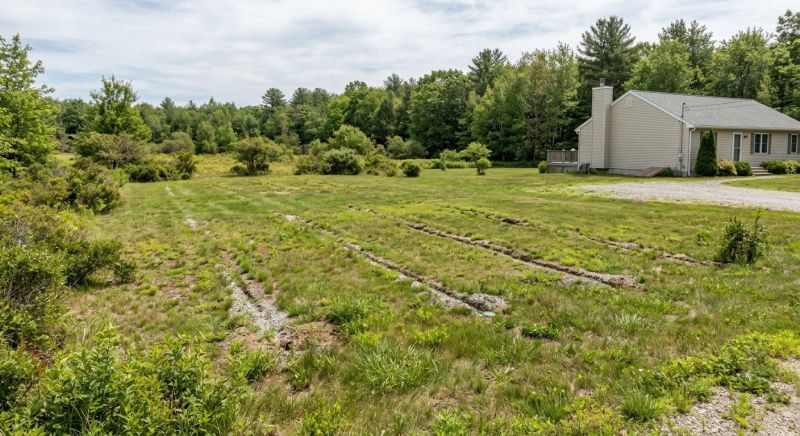
Leach Line Repair
Fixing leaks or blockages to maintain system efficiency and prevent property issues.
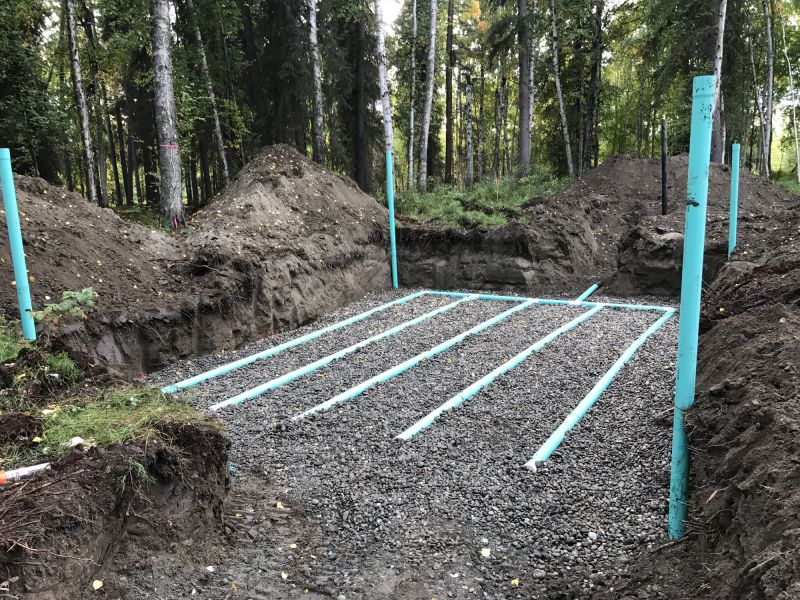
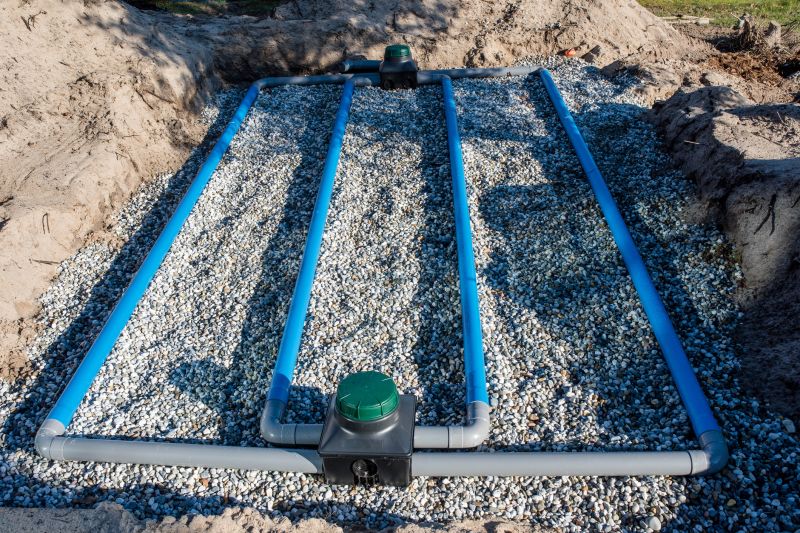
Leach Line Installation
Planning and installing new leach lines for effective septic system operation in denver, co and nearby areas.
Leach Lines Installation in Denver, CO

Leach line installation services involve setting up underground pipes that carry wastewater away from properties to the main sewer system or a septic tank. These systems are essential for homes that are not connected to municipal sewer lines or require an upgraded drainage solution. Projects typically include installing new leach lines for homes with septic systems, replacing aging or damaged lines, or expanding existing systems to accommodate property improvements. Property owners should understand the scope of installation, the materials used, and the importance of proper placement to ensure effective waste management and prevent potential issues such as backups or leaks.
Before requesting leach line installation, property owners often want to know about site conditions, including soil type and space availability, which can influence the design and placement of the system. It's also helpful to consider future property plans, such as additions or landscaping, to ensure the system can accommodate those changes. Understanding local regulations and permitting requirements can streamline the process, and consulting with professionals can help clarify the best options for the property's specific needs.
Many property owners in Denver, CO look into Leach Lines Installation for repairs, replacements, upgrades, and appearance-related improvements.
Common Leach Lines Installation Jobs
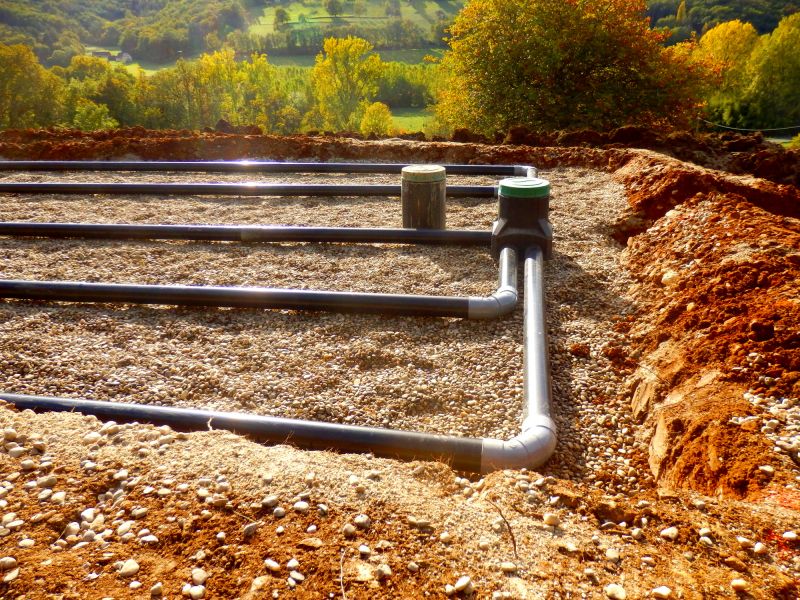
Leach line installation involves setting up drain lines to safely carry wastewater away from a property.
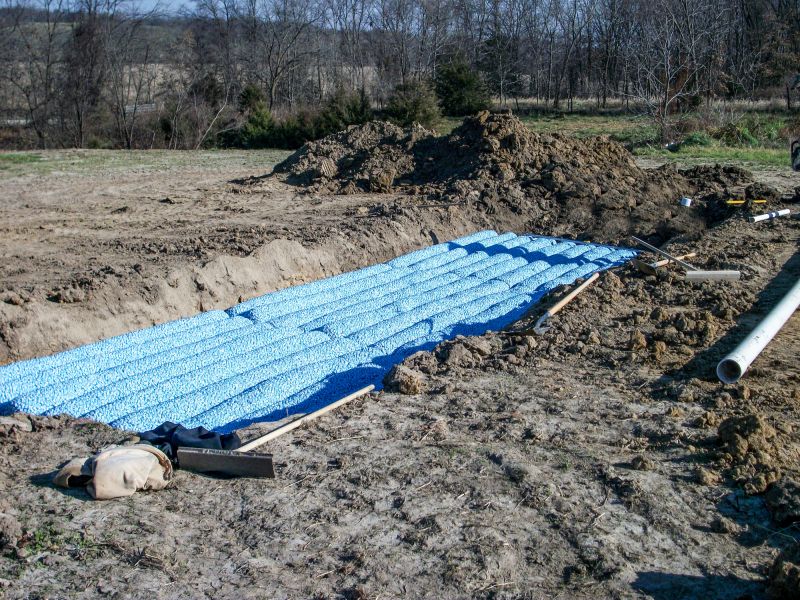
Septic system leach lines help distribute treated effluent into the soil for natural filtration.
Drain field installation ensures proper drainage and prevents water pooling around the property.
Leach line repair addresses clogs, leaks, or damage to maintain system efficiency.
Leach field replacement involves removing and installing new drain lines when existing systems fail.
Leach line maintenance includes inspections and cleaning to prolong system lifespan.
Leach Lines Installation Questions
What are leach lines used for? Leach lines are part of a septic system that distributes treated wastewater underground, helping it safely soak into the soil.
When is installation of leach lines needed? Installation is typically required when a property’s existing septic system needs repair or a new system is being installed for a property without one.
How does soil type affect leach line installation? Soil composition impacts how well leach lines function; sandy or loamy soils generally allow for better absorption compared to clay soils.
What should property owners consider before installing leach lines? It's important to evaluate the property’s size, soil conditions, and local regulations to ensure proper system placement and function.
Request Leach Lines Installation in Denver, CO
Use the quote form on this page to share the basics of your project and request more information for the type of work you need.